

What are the Causes Gum Disease?
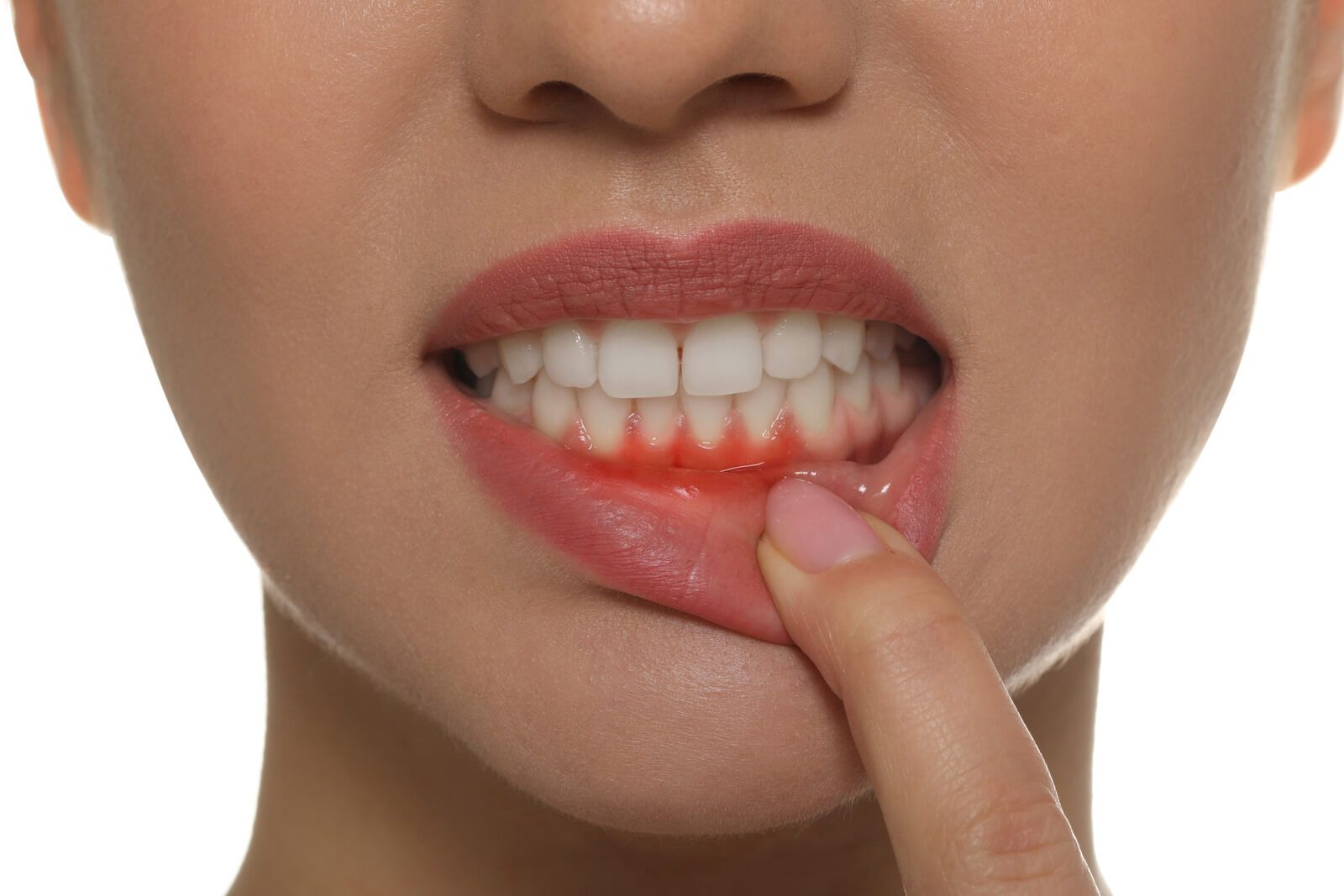
Gum disease is an infection of the gums surrounding a person's teeth caused by bacteria, which can lead to tooth loss and affects nearly half of adults in the United States. It is typically caused by a buildup of plaque on teeth that is not removed with regular brushing and flossing. Poor dental hygiene, smoking, certain medications, diabetes, hormonal changes during pregnancy, and genetics can increase the risk of gum disease.
The main symptom of gum disease is inflammation and redness of the gums. Other signs may include bleeding while brushing or flossing teeth, receding gums (gums pulling away from teeth), bad breath, loose teeth, and eventually tooth loss if left untreated. Gum disease can also cause underlying bone damage, which affects the strength and stability of teeth.
Early detection is important for preventing more serious forms of gum disease like periodontitis or abscesses. Regular dental checkups are essential for keeping an eye on oral health; however good home care including brushing twice a day with fluoride toothpaste and flossing regularly can significantly reduce the risk of gum disease.
Gum disease is a serious infection of the gums that can cause significant damage to the gums, underlying bone structure, and other supporting tissues. It is caused by a buildup of bacteria in plaque on the teeth that irritates and inflames the gums. If left untreated, gum disease can lead to pain, swelling, receding gums, bad breath and even tooth loss. In some cases, it can also increase your risk of developing other health problems such as heart disease. Treating gum disease requires professional attention from your dentist or periodontist. Treatment may include deep cleanings (scaling) to remove tartar buildup from below the gum line; antibiotics to help kill bacteria; and surgery to restore lost tissue or bone structure. In some cases, gum disease can be prevented by practicing good oral hygiene, including brushing and flossing regularly and having regular professional dental cleanings. Taking care of your teeth is important for maintaining your overall health and wellbeing.
Making sure you are aware of the signs and symptoms of gum disease is also essential for maintaining good oral health. Early warning signs include red, swollen or bleeding gums, receding gums, chronic bad breath, loose teeth or pain when chewing. If you notice any of these signs or have any concerns about gum disease, it’s important to see a dentist or periodontist right away so that treatment can begin before extensive damage occurs. With early detection and proper care, you can reduce the risk of gum disease and maintain a healthy mouth. Taking care of your teeth is an important aspect of your overall health, so be sure to make oral hygiene a priority.
By practicing good oral hygiene, regular professional cleanings, and seeing your dentist or periodontist for early detection and treatment when necessary, you can reduce the risk of gum disease and keep your teeth healthy for years to come. Protecting your gums from infection is essential for maintaining optimal dental health and preventing more serious complications down the line. Remember—healthy smiles start with healthy gums!