

How to Stop Bruxism
Bruxism is a condition that causes involuntary or unconscious grinding and clenching of the teeth. It can come in two forms, awake and sleep, both of which can be treated with lifestyle changes, relaxation exercises, and medical interventions. Here are some tips to help you stop bruxism:
1. Identify Your Triggers: To effectively stop bruxism, it’s important to identify its triggers. Common triggers for it includes stress, fatigue, medications, alcohol consumption and sleep disorders. Take note of any circumstantial factors that may have contributed to your bruxism episodes in order to avoid them in the future.
2. Relieve Stress: Stress is one of the leading causes of bruxism and so reducing stress levels should be one of your top priorities if you want to stop teeth grinding or clenching habits. Consider relaxation techniques such as deep breathing exercises or yoga as ways to reduce stress levels throughout the day.
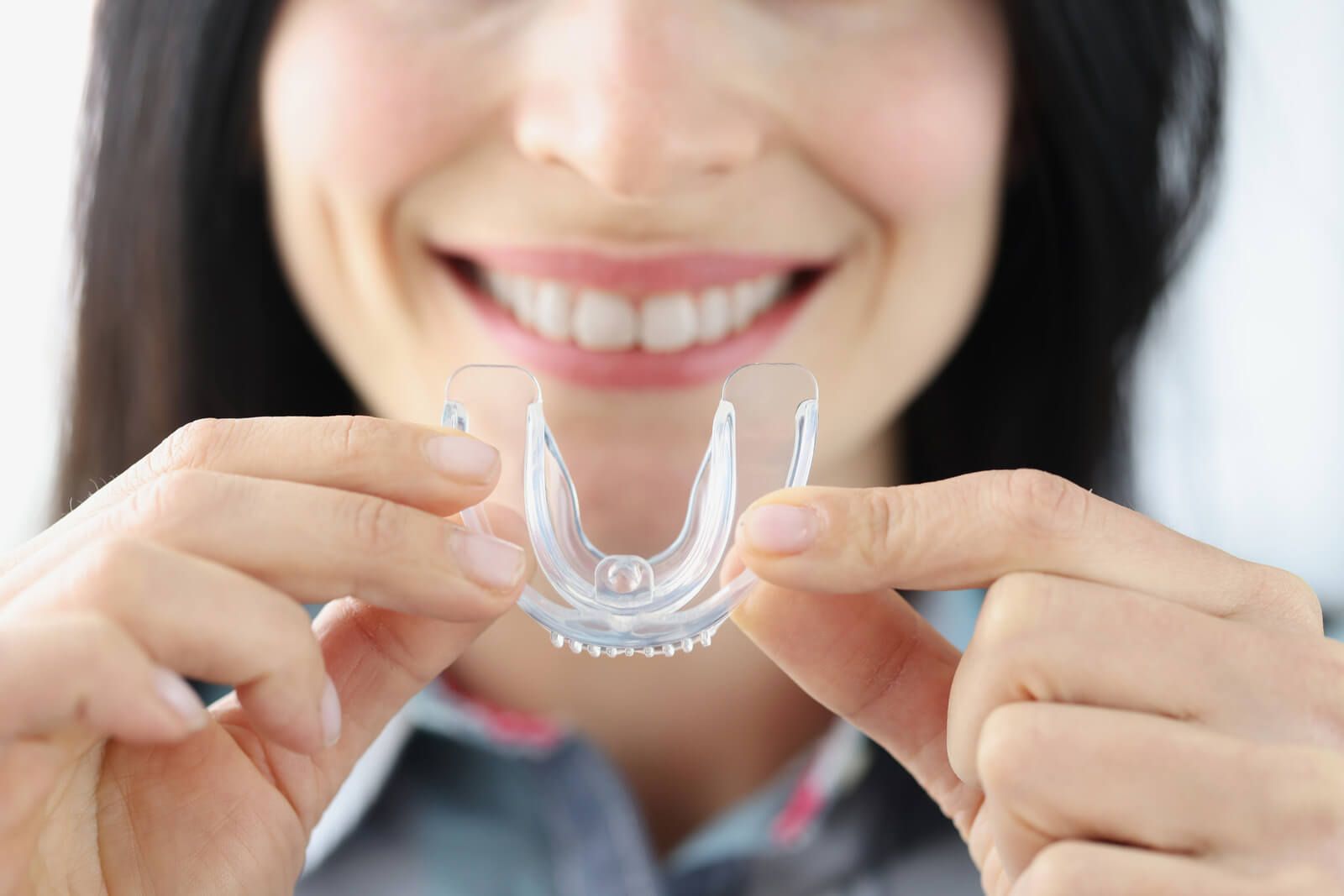
3. Wear a Mouth guard: If you are still experiencing symptoms after making lifestyle changes and trying relaxation practices, talk to your dentist about wearing a mouth guard at night while you sleep. This device will protect against damage from biting down on your teeth during sleep episodes.
4. Seek Medical Treatment: If all other methods fail, seek professional medical treatment from a neurologist or psychiatrist who specialize in treating TMJ disorders or sleep-related conditions like those caused by bruxism. The doctor may prescribe medications such as muscle relaxants or antidepressants which can help reduce symptoms associated with bruxism or recommend physical therapy to alleviate pain in the jaw joint caused by clenching and grinding teeth.
If bruxism is causing discomfort, a medical professional may recommend fitting the patient with an occlusal splint. An occlusal splint is a device that covers the teeth to reduce clenching and grinding of teeth while sleeping. It also helps keep the lower and upper teeth separated, which relaxes the jaw muscles. Wearing this appliance on a nightly basis can help alleviate pain caused by bruxism over time.
In some cases, medications may be prescribed by a doctor or dentist to help muscle tension and relaxation associated with bruxism. If stress is believed to be one of the main causes of your bruxism, then counseling or cognitive-behavioral therapy sessions may be recommended. These therapies can help to identify and reduce the amount of stress that causes bruxism.
If your bruxism is causing physical damage, or if it interferes with your daily life, it is important to reach out for professional help as soon as possible. A dentist or doctor can assess your situation and provide an appropriate treatment plan for you. With the right care and support, you can manage and control your bruxism effectively.
Lifestyle changes may be necessary in order to reduce the risk of developing bruxism symptoms. Avoiding foods that contain caffeine, nicotine, and alcohol can help lower stress levels overall. Regular exercise has also been proven to reduce stress levels and promote relaxation in the body. Additionally, getting adequate sleep and practicing relaxation exercises can help ease the symptoms of bruxism. By following these tips, you can take control of your bruxism and reduce its effects on your life.
Therefore, it is important to recognize the signs of bruxism and to seek professional help if necessary. With proper care and lifestyle adjustments, individuals can manage their condition effectively. By doing so, they can achieve a more peaceful and relaxed state of mind. With the right treatment plan in place, sufferers will be able to rest easy knowing that their bruxism is under control.
It’s also important to practice good oral hygiene habits at home in order to keep teeth healthy and strong. This includes brushing, flossing, and using mouthwash daily. Regular visits to the dentist can also help detect any changes in your teeth that may be caused by bruxism. Taking these steps will ensure that you are doing everything you can to protect your smile.
By understanding how to stop bruxism and implementing the necessary treatments, individuals can significantly reduce or even eliminate its unpleasant side effects. With the proper care and lifestyle adjustments, it is possible to manage it effectively and lead a healthier life.