

How to Maintain Your Dental Health
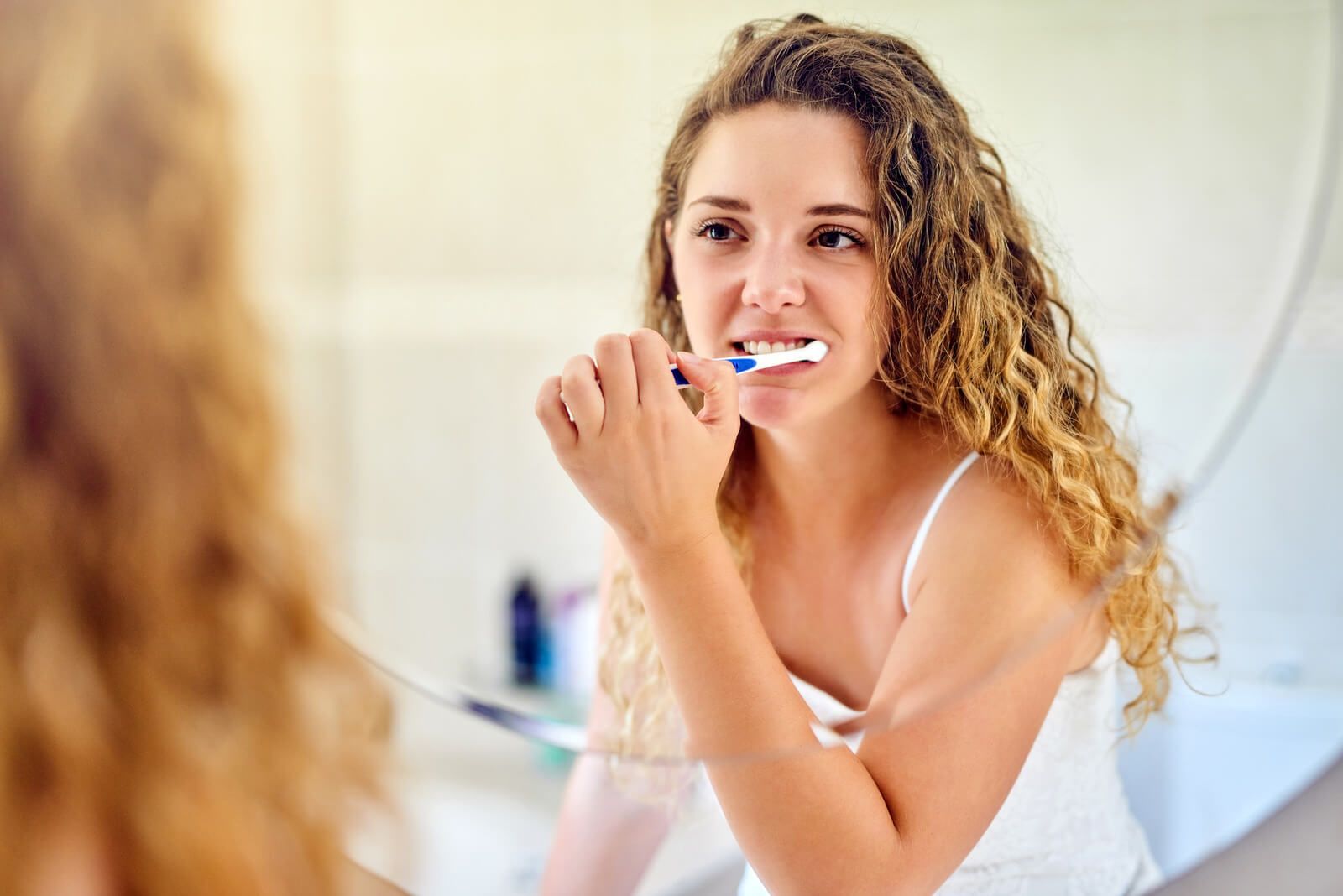
Proper dental care requires a consistent daily routine and the use of quality products. Even if your teeth are healthy now, they will likely experience problems later in life if you do not take proper care of them.
1. Always remember to brush your teeth before going to bed
It's no secret that brushing your teeth at least twice a day is generally advised. However, a lot of us still skip cleaning our teeth at night. What many people don't know though, is that by cleaning your teeth before bedtime removes plaque and bacteria that have accumulated throughout the day.
2. Brush Properly
Not only is it important to brush your teeth, but it is crucial to do so correctly. In fact, brushing your teeth improperly can be just as harmful as not brushing at all. Be sure to take your time and carefully clean each tooth by gently circling it with the toothbrush. Plaque that isn't removed will harden over time and lead to calculus formation and gingivitis.
3. Keep your tongue in check
Not only can plaque buildup on your teeth, but it can also accumulate on your tongue. This can lead to poor breath and other dental health problems. Therefore, be sure to gently brush your tongue every time you clean your teeth.
4. Use the right toothpaste
Although people commonly think of whitening power and taste when selecting a toothpaste, there are other important factors to consider. One key ingredient that all versions should have is fluoride.
Although some people may have negative perceptions of fluoride, it still plays an important role in dental hygiene. This is because fluoride fights tooth decay by killing harmful bacteria and coating the teeth to protect them from future damage.
5. Floss Regularly
Surprising to many, people who frequently brush their teeth often fail to floss. As a dentist in knight street explains, flossing is much more than removing small pieces of food or veggies lodged between your teeth. It's mainly used to stimulate the gums, reduce plaque buildup and help lessen localized irritation.
6. Don't give up on flossing
If you have trouble flossing your teeth, don't give up! Some people, especially young children and older persons with arthritis, find it difficult to floss. Look for equipment that might make the task easier. For example, drugstore ready-to-use dental flossers can help.
7. Use mouthwash
Although advertised as necessary for dental health, many individuals don't use mouthwash because they are unaware of its purpose. Mouthwash accomplishes three goals: it neutralizes the acid in your mouth, cleans your gums and hard-to-reach regions around them, and demineralizers your teeth. Because it can help restore equilibrium, using mouthwash is an excellent supplemental technique--particularly for kids and the elderly whose ability to brush and floss may be imperfect.
You should always consult your dentist before using a new mouthwash, especially if you have sensitive teeth or are treating young children. Additionally, some mouthwashes may require a prescription.
8. Take extra water
As a whole, water is the healthiest beverage you can consume for your body and oral hygiene. Aim to drink water after every meal. This way, you will help wash off some of the harmful consequences sticky and acidic foods and drinks have on our teeth.
9. Eat fruits and vegetables
Although pre-packaged foods seem practical, they may not be the best option for your teeth. Fresh food is always the best opportunity for your teeth since it includes more fiber which provides benefits. Steer clear of highly processed foods, resist chopping food into smaller pieces, and begin using your jaws fully when chewing.
10. Avoid sugary and acidic foods
Consuming acidic foods and beverages can lead to cavities by wearing away at tooth enamel. Though you don't need to cut these things out of your diet entirely, it is important to be mindful of how often you consume them.
11. Visit the Dentist Regularly
Seeing the dentist at least twice yearly helps maintain good oral health and help gum disease treatment, in conjunction with brushing and flossing daily. Although you might brush and floss regularly, visiting the dentist is important to catch any problems that regular maintenance missed. Your dentist can not only clean your teeth, but also check for cavities and recommend treatments.
Some dental insurance providers cover more regular visits than others, so take advantage of this if it applies to you. If you have a history of dental problems like gingivitis or recurrent cavities, doing this is very beneficial.