

How Does Teeth Whitening Work?
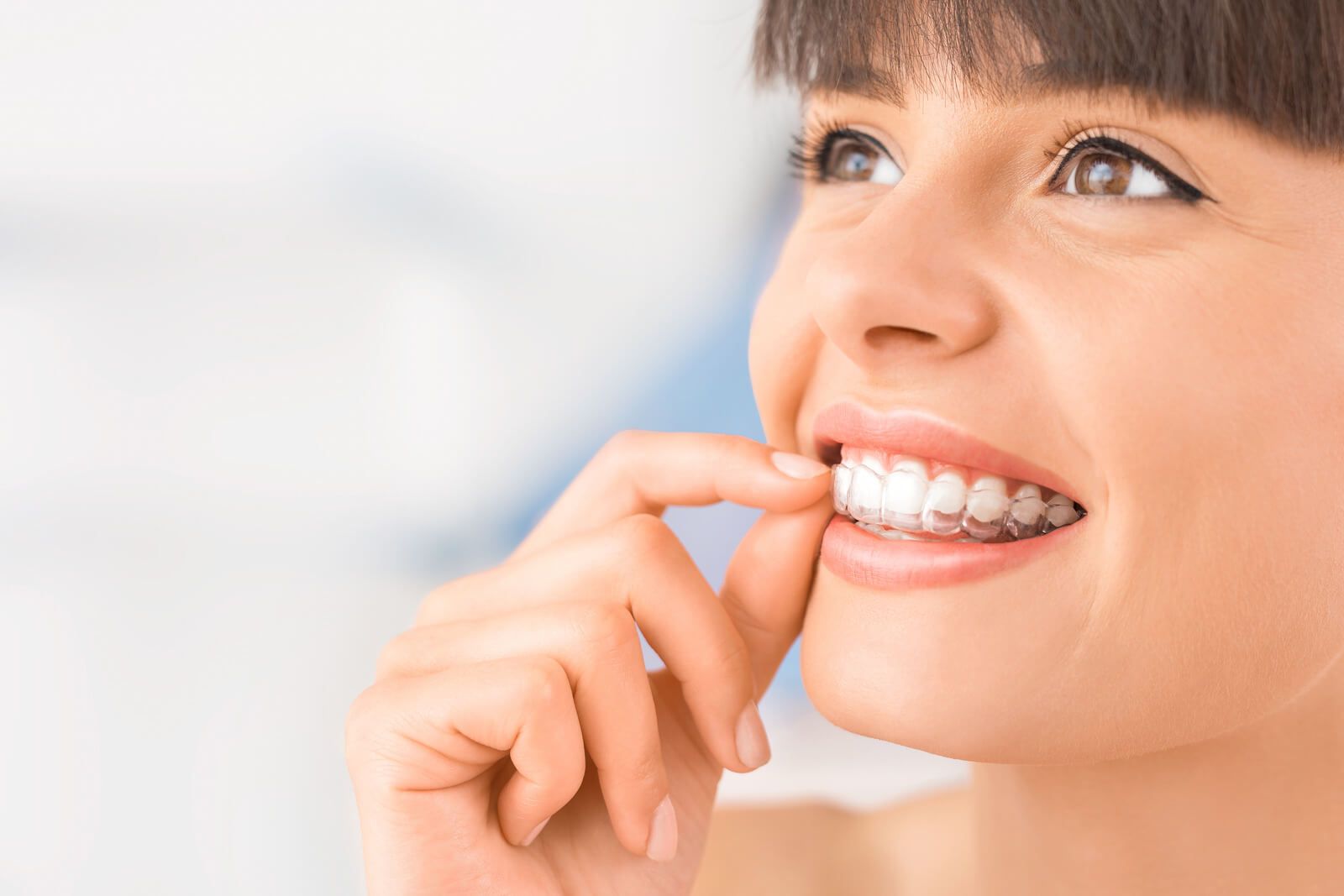
Teeth whitening is a popular cosmetic dental procedure that can make your smile look brighter and more youthful. But how does it work?
There are two main types of teeth whitening: in-office and at-home whitening. In-office is performed by a dentist or other dental professional, while at-home kit uses bleaching gel that you apply yourself.
Both types work by using a bleaching agent to break up stains on your teeth. The bleaching agent used for in-office is usually more concentrated than the one found in at-home kits, so it can provide faster and more dramatic results. However, at-home can still be effective, and it’s often more affordable than in-office procedures.
To learn more about how it works, talk to your dentist. They can help you decide if it is right for you and recommend the best type of treatment based on your individual needs.
There are a few things to keep in mind when whitening your teeth. Make sure you follow the directions on the product you are using. Only whiten your teeth when they are healthy. If you have any gum disease or tooth decay, it is best to see a dentist before starting any whitening treatment. Avoid eating or drinking anything that will stain your teeth for at least 30 minutes after you have whitened them.
Many people are interested in it, but may be wondering is teeth whitening safe? The answer is yes; it is safe when done correctly. It can be done at home with over the counter products or at the dentist with a professional grade bleaching agent.
It is a safe and effective way to improve your smile. Just make sure you are using the product correctly and taking care of your teeth afterwards.
When it comes to teeth whitening, the safety of the procedure is always a top concern. There are a variety of different ways to whiten teeth, and each come with their own set of risks and benefits. Here's a look at some of the most popular methods that can you do and what you need to know about their safety.
One of the most popular methods for teeth whitening is using bleaching products. These products usually contain peroxide, which bleaches the tooth enamel and makes teeth appear brighter. While this method is generally safe, there is a risk of tooth sensitivity and gum irritation. It's important to follow the directions on bleaching products carefully and to avoid overuse.
Another common method is using whitening strips. These strips are placed on the teeth and left in place for a specified amount of time. Whitening strips usually contain peroxide, which can cause tooth sensitivity and gum irritation. It's important to follow the directions on the package carefully and to avoid overuse.
In-office is another popular method, but it's also one of the most expensive. In this procedure, a dentist uses a bleaching gel or light to brighten teeth. While this method is generally safe, there is a risk of tooth sensitivity and gum irritation. It's important to follow the dentist's instructions carefully and to avoid overuse.
Toothpastes are another option for those looking to brighten their smile. These toothpastes usually contain peroxide, which can cause tooth sensitivity and gum irritation. It's important to follow the directions on the toothpaste tube carefully and to avoid overuse.
Overall, teeth whitening is generally safe when performed as directed. However, there is always a risk of tooth sensitivity and gum irritation. It's important to talk to your dentist about the best way to whiten your teeth and to follow all directions carefully.